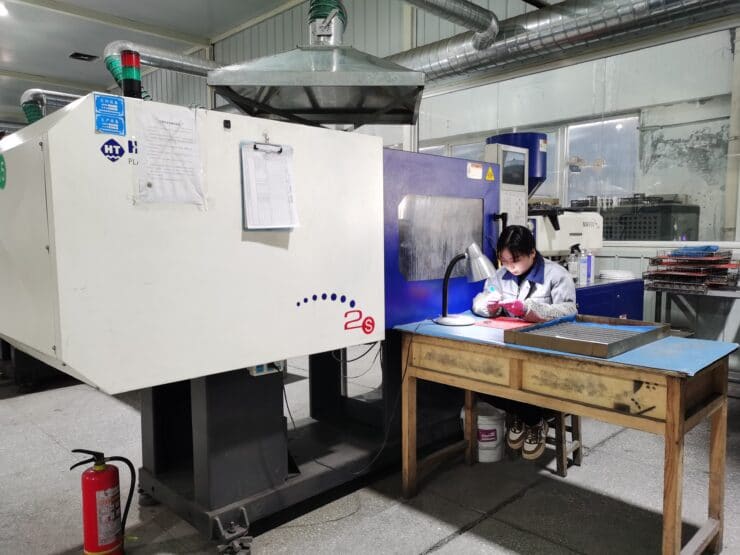
Injection Molding is identical in equipment and technique to how Plastic Injection Molding takes place. The pelletized feedstock is fed into an injection molding machine where it is heated and injected into a mold cavity under high pressure using our MA900-II-S-280 Injection Press. The molded part is allowed to cool and then ejected from the mold so the process can repeat. Since only the binders melt, the entire process happens at about 200° C. The tooling can be of multiple cavities for high production rates. The mold cavity is sized approximately 20% larger to compensate for shrinkage that takes place during sintering. The shrinkage change is precisely known for each material.
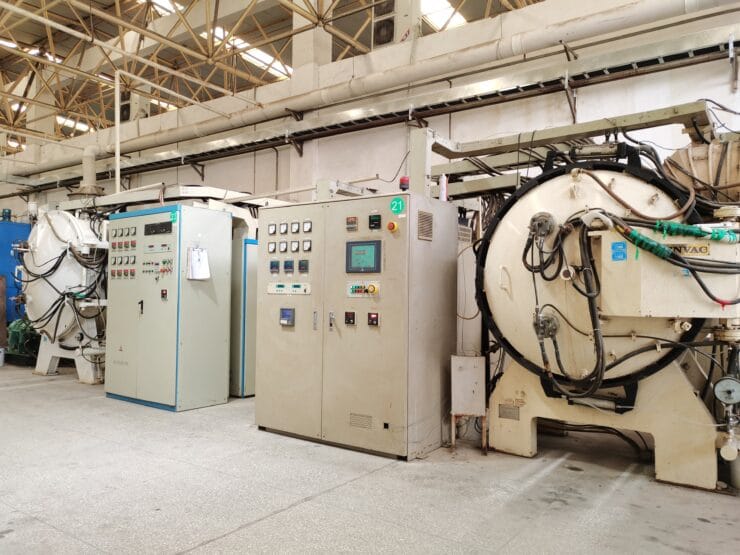
After the Injection Molding, the molded part will move to the next step called Debinding or binder removal process using our one-step debinding and sintering vacuum furnace (Akgl 1200 1500). Binder removal is a process where the binder materials are removed from the molded MIM component. This process is usually done in several steps whereby the majority is removed before the sintering step, leaving behind only enough binder to handle the parts into the sintering furnace. Binder removal can be accomplished by multiple methods, the most popular being solvent extraction. After binder removal, the part is now semi-porous which allows the remaining binder to easily escape during the sintering process.
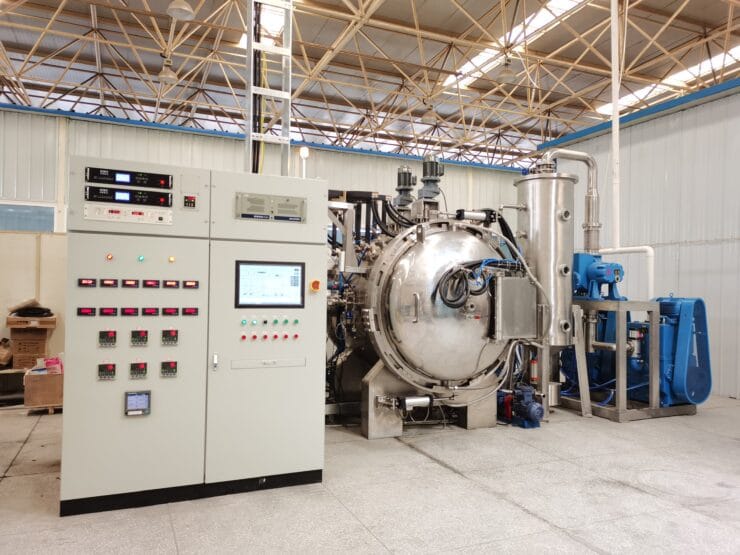
The brown parts are slowly heated in a protective atmosphere to drive out the remaining binders. Once the binders are evaporated, the metal part is heated to a high temperature where the void space between the particles is eliminated as the particles fuse together. The part shrinks isotropically to its design dimensions and transforms into a dense solid. The sintered parts have a density of greater than 98%, giving the products properties that are similar to wrought materials.
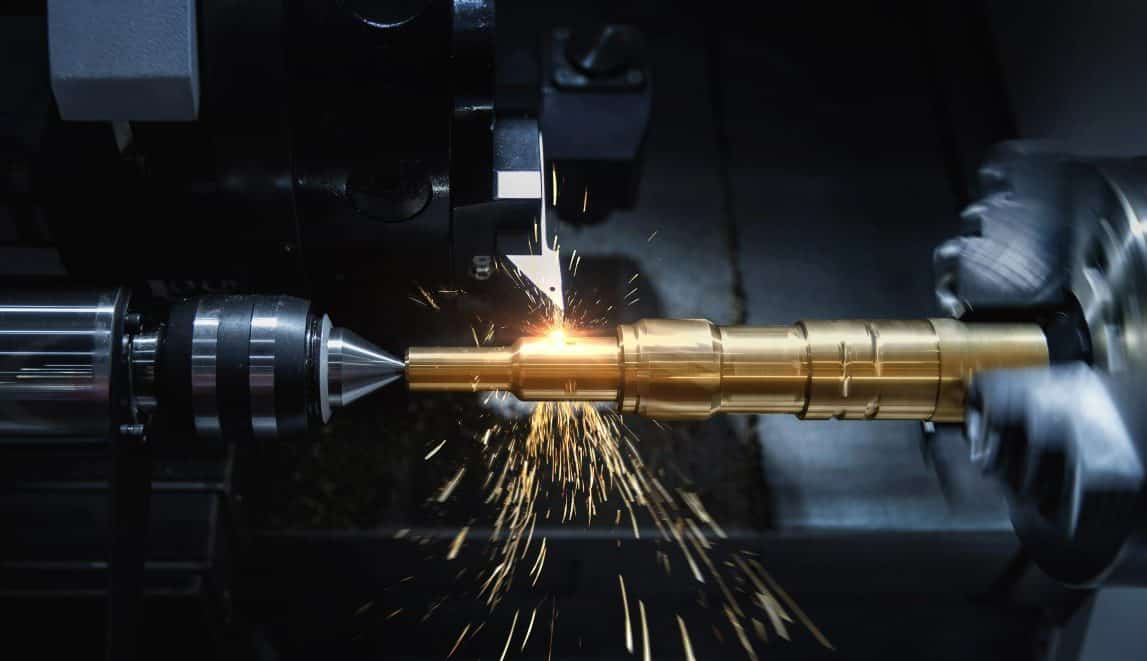
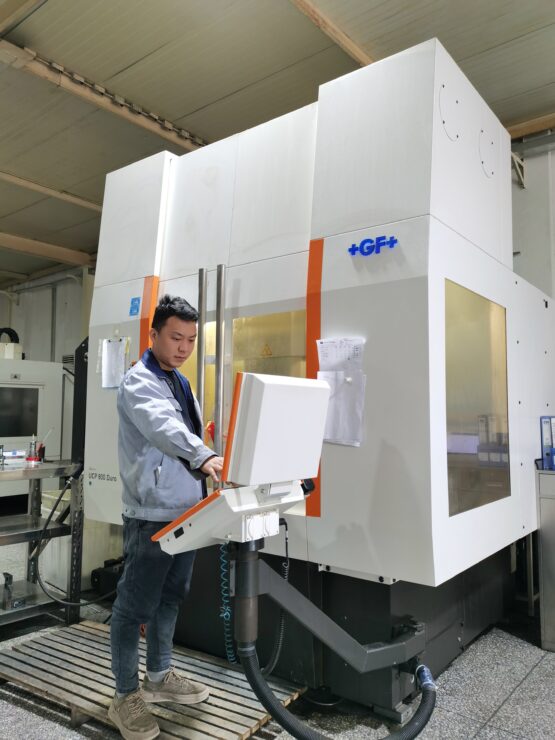
The sintered parts are further processed using our Swiss Mikron 5-axis CNC machining center, giving the final parts an excellent surface finish with a Roughness Average (Ra) of ±0.02mm.
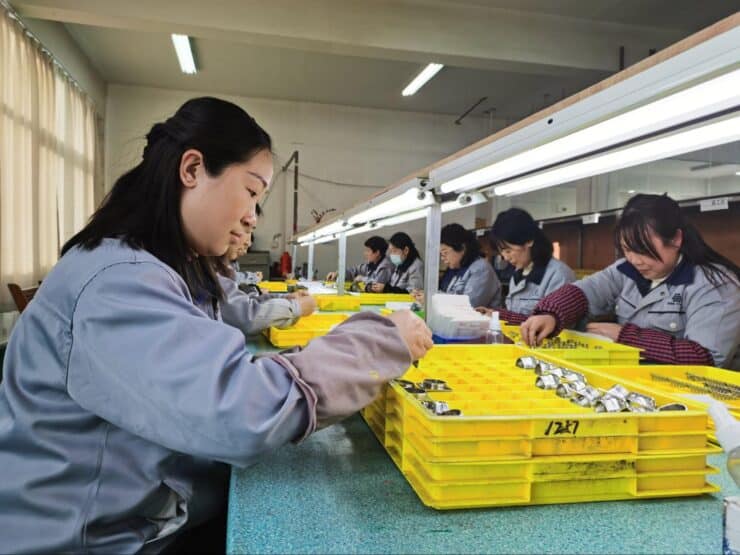
To ensure our customers receive the highest quality produced precision parts, we have a dedicated team of professionals to check the finished products for any manufacturing error. During this process, the parts are rigorously tested to see if they possess the desired mechanical properties, furthermore the parts are precisely measured to ensure that the finished products are within the accepted manufacturing tolerance.